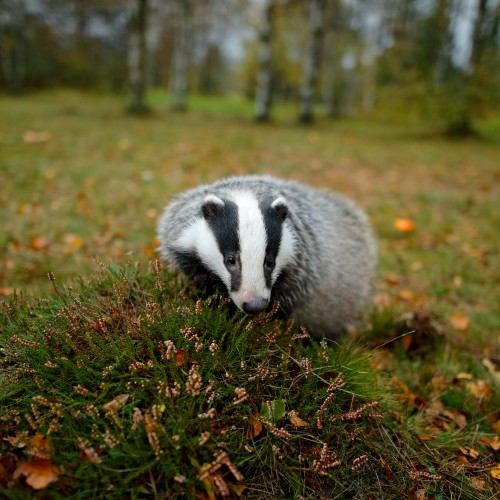

Hey Mojo kids! Ready for an exciting adventure by going on a safari to see the most extraordinary animals living in the wild? Then order the amazing children's book "Know About Wildlife - Animals From A to Z" coming soon to Amazon! Once you embark on this great adventure, you will not want to stop until you have seen every single Animal from "A" to "Z" to learn more about the amazing creatures we share our world with!
Mojo Parents and Grandparents, reading this book with your children or grandchildren will be a great opportunity to not only bond and spend quality time with them, but it will teach them, and spark their curiosity, about all of the unique and interesting animals living in the wild. As future custodians of our planet, they will have a greater understanding and appreciation for these animals and they will be more inclined to preserve and to protect these wonderful creatures!
Please note that the author, Munir Noorbhai, will donate a portion of the proceeds from the sale of each and every book to help our team at MojoStreaming with our wildlife awareness and advocacy efforts! Please support our efforts by getting this book, which is now available for pre-order, by clicking the link below!
Know About Wildlife - Animals From "A" to "Z"
Thanks!
The Mojo Team!
Toronto, April 4th 2004 – Toronto based MojoStreaming, a leading platform for impactful storytelling and urgent wildlife issues, today draws international attention to a critical wildlife conservation
emergency unfolding in South Africa. Within the next week, an innocent herd of
40 elephants, including vulnerable calves, faces the threat of imminent
slaughter unless immediate intervention occurs. This potential tragedy
highlights the broader, ongoing crisis of elephant culling practices in Africa,
threatening the survival of these majestic creatures classified as endangered
species.
In an urgent cry for help and to spark a global
public awareness campaign, MojoStreaming urges individuals, organizations, and
governments worldwide to take immediate action to prevent the senseless killing
of these 40 elephants from the Mawana Game reserve in Northern Natal. This
situation is not isolated; it symbolizes a much larger emergency affecting
thousands of elephants across the continent, where culling has become a
contentious method of population control.
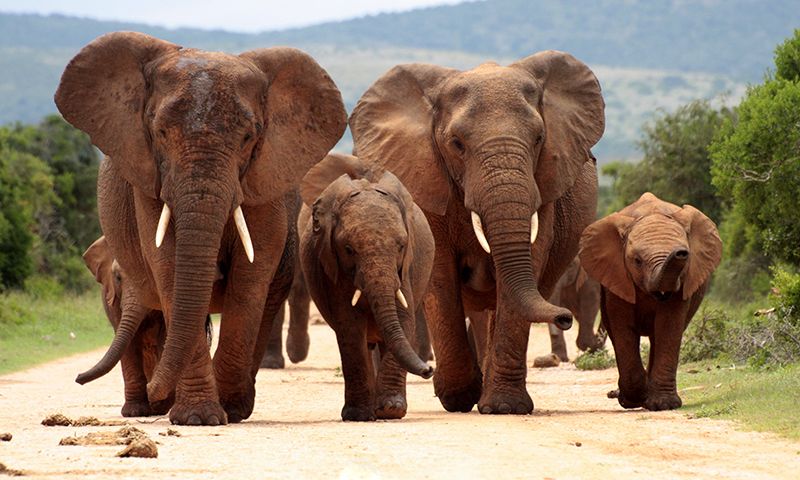
Elephants, known for their intelligence, complex
social structures, and significant ecological impact, are increasingly finding
themselves in conflict with human interests. While the challenges of
cohabitation between humans and elephants in areas of dense population are
acknowledged, MojoStreaming emphasizes that culling is not the answer.
There are humane and effective alternatives to
managing elephant populations that do not involve slaughter, such as
translocation and the creation of wildlife corridors to allow safe migration.
MojoStreaming calls on its global audience,
conservationists, policymakers, and the international community to rally
together in defense of these 40 elephants and the thousands more at risk. This
is a pivotal moment to advocate for sustainable wildlife management practices
that respect the intrinsic value of all life forms and ensure the survival of
one of the planet's most iconic species.
As part of this urgent awareness campaign, MojoStreaming
will be hosting a series of special programming, interviews with wildlife
experts and all stakeholders in the Mawana saga, as well as exclusive content
focusing on the plight of Africa's elephants and the conservation efforts
underway to protect them. Viewers will gain insight into the complex issues
surrounding elephant conservation and learn how they can contribute to making a
difference.
The imminent threat to these 40 elephants is a
wake-up call to the world about the broader crisis facing Africa's elephant
populations. It's time for a collective, global response to end the senseless
culling of endangered species and to work together towards solutions that allow
humans and wildlife to coexist in harmony.
For more information on how you can help and to
learn more about the conservation efforts, please visit www.mojostreaming.com.
MojoStreaming President Bernard van Speyk is
initiating an effort to bring all the Mawana interest groups together to hammer
out a solution where community safety issues are implemented firstly, and then
alternative non-lethal methods are used to assist the well being of the herd.
Together, we can make a difference. Together, we
can save these elephants from slaughter and work towards a future where human
actions contribute to the preservation, not the destruction, of our planet's
wildlife.
About MojoStreaming
MojoStreaming is a global platform dedicated to
bringing the world's most pressing social, environmental, and political issues
to the forefront through powerful storytelling and documentary filmmaking.
Committed to making a difference, MojoStreaming provides a voice to the
voiceless and shines a light on the stories that matter.
For more information, contact:
Bernard Van Speyk
Founder & President
MojoStreaming Ltd.
[Contact Information]
bernard@mojostreaming.com
+1 416 788 0144
THE MAWANA ELEPHANTS by Lion Expose - March 26, 2024
Mawane reserve, KwaZulu Natal, South Africa.
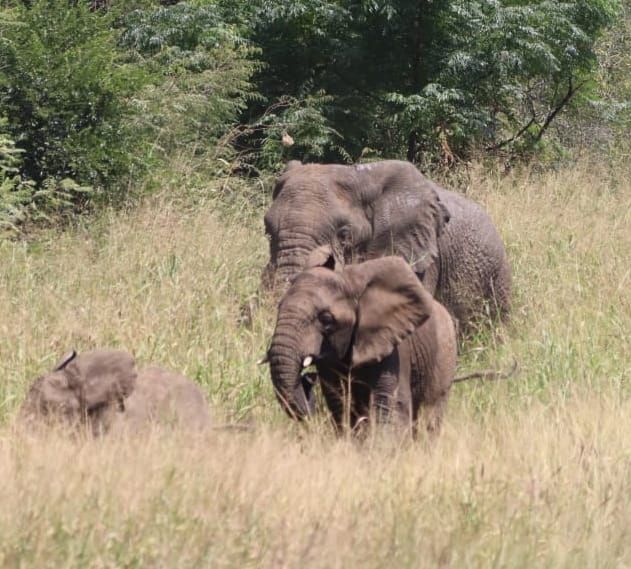
Good News, and sadness and sympathy...
After all we have been through trying to protect this persecuted
herd, prevent them from being culled, and mostly, get help to protect the
communities that live with them.
Extensive networking skills and an ever developing circle of
incredible humans in the specialised field of Elephant and Rhino, whether it be
translocations or educating on coexistence in our rural areas, has had some
real success..
The Good News
In a few short weeks LionExpose has received much support and
interest to try and assist the Mawana Elephants.
The first stages are being discussed and would see the collaring
of three Elephant bulls.
Between several people and two Global NPOS this seems to hold
real possibilities.
A next step will be more, but talks to the three communities
affected and with Farmer Sithole to start looking at the community fences and
where to start to protect their crops and cattle when the elephants come to
their farms as part of their Migratory route.
And later possibly a bee fence project which will be offered,
and again will need a sponsor, but this will attract researchers as there are
literally two PGRS in South Africa doing this and the Bee Fence Researchers
will love to come and study this project.
So we are hoping all goes to plan and that Mawana manage these
issues as they need to be working really hard to keep these Elephants safe in
their range and keep the communities safe and show them care, and be grateful
communities will be happy to try and exist with this wonderful herd and see how
we can make it sustainable.
Thanks go to EKZN for being patient and clearly communicating
with Mawana and thank you Sithole for being open to lots of communication in
this regard.
The sad news.
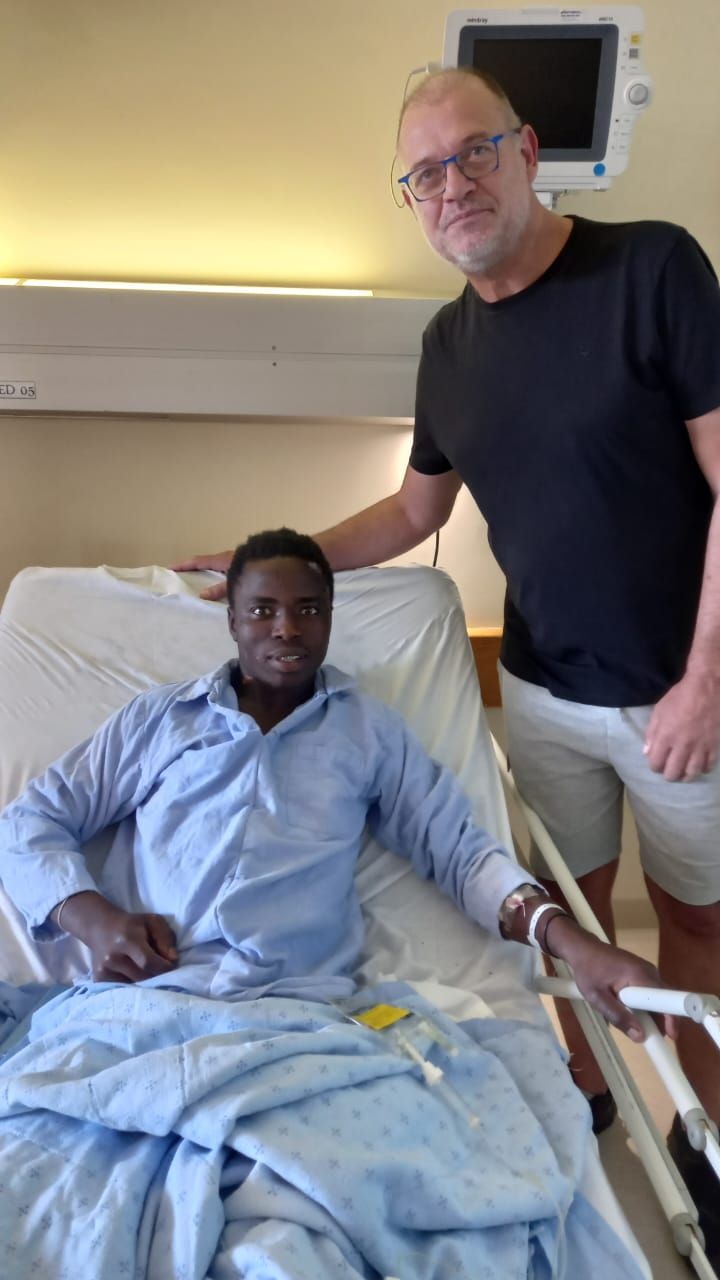
A young herder was badly injured last week fetching his cows, he
was gored by an elephant, he was really in trauma and is in hospital, and right
now he is doing better but has many months of recovery ahead - he was extremely
lucky to survive.
Mawanas people are visiting him in hospital tomorrow to show him
we will offer him support, and a fund will be started for him.
He will be supported all the way.
It must be noted that Mawanas Elephants have been facing extreme
danger of a cull since 2018 and are still in danger as long as all these issues
exist.
But elephant lovers keep watching and supporting how much work
it is to save elephants that live close to humans and to give them the peace
they deserve and, vitally, to keep our humans safe.
Update
The herd have wondered back into the "Red Area", close to where communities are situated. Tribal leaders are calling for them to be hunted down immediately!!
Great news to read that the House of Lords is to back the ban on trophy hunting imports into the UK (Saturday Mirror June 17th).
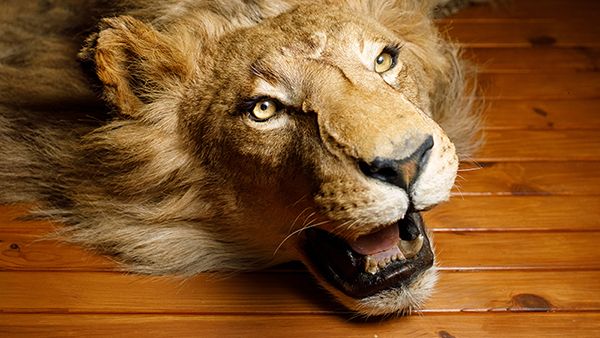
What planet is Crossbencher Lord St John of Bletso on?, who in his ignorance supports the bill, and comments “ Evidence shows properly regulated wild trophy hunting does play an important role in wildlife conservation”.
Certainly not in Zimbabwe M’Lord! – as a former Chief Inspector for the Zimbabwe National Soc. For the Prevention of Cruelty to Animals (ZNSPCA), I saw first hand how funding that was supposed to be given to the local communities where hunts took place, was rarely received by them.
Instead due to rampant corruption, it was the Town Councillors who were seen driving around in 4x4s and Mercedes, while the local villagers got nothing, except possibly some meat from the hunts.
In addition, some of the trophy hunters who visit Zimbabwe are also guilty of unethical practices, such as using donkeys and goats as live bait.
In addition, there are still several trophy hunters who are using packs of imported hounds to hunt Zimbabwean leopards which was illegal under Zimbabwe’s Wild Life Act.
I know because I was responsible for getting an Amendment to the Act making it illegal for hunters to use packs of dogs - only for the USA’s notorious Safari Club International to swiftly “persuade” the Zimbabwean Govt to make hunting with dogs “legal” again.
This practice is disliked by many professional hunters, who say that “the leopard does not stand a chance”, one Zimbabwean hunter who did use dogs for his clients, when questioned in an interview as to whether this method was ethical? - replied “it may be cruel”
Pro Trophy Hunting activists should be aware that several hunting safaris in Zimbabwe still offer this practice to their rich overseas clients, who pay extra if packs of dogs are used.
However, if a local Zimbabwean living in the rural areas, is caught hunting with his own indigenous dogs to catch rabbits and small animals to feed his family – the Zimbabwean Government’s Police shoot his dogs, he is arrested, taken to court and fined, with the possibility of being jailed if he has no money for the fine, which is more often the case............talk about double standards.
.
May I suggest that Lord St John of Bletso gets his facts right – trophy hunting is not the cosy “regulated “ pastime he seems to think it is?
Meryl Harrison
TOPS FLIP FLOP
State caves in to game farmers and hunters over key wildlife protection
By Don Pinnock
10 Apr 2023
Vital legislation in South Africa for the protection of wildlife has been stopped in its tracks by a mysterious settlement between game breeders/hunters and the Department of Environment.
BeyondWords
The Department of Environment (DFFE) had gazetted the most progressive wildlife protection legislation ever drafted in South Africa. It seemed like good news for beleaguered wildlife.
But just before it was to become law, game breeder and hunter organisations applied for an urgent interdict to halt it. DFFE responded with a convincingly argued defence of its legislation, clearly indicating its strong opposition to the application, not least on the grounds that it was not urgent.
But at the last minute, in a secret, out-of-court settlement, the Department withdrew the proposed Threatened or Protected Species (TOPS) regulations as well as related Norms and Standards amendments and agreed to pay the applicants’ legal costs.
Its reasoning? “Due to the urgent timeframes of the litigation, the Department required additional time to consider the varied issues raised in the court application” by Wildlife Ranching South Africa (WRSA) and the Professional Hunters Association of South Africa (PHASA). So was it urgent or wasn’t it?
What’s curious is exactly what happened between 24 March, when the Department filed its comprehensive and well argued 91-page affidavit opposing the interdict, and 27 March when it completely backtracked in conceding to retract the regulations without revealing any of its arguments.
Because the TOPS regulations were closely interlinked to four other Government Notices – also due to come into effect on 1 April – DFFE has also withdrawn the revised Norms and Standards for the management of elephants, the hunting of leopards, the amended protection list of 266 wild mammal, fish, birds, invertebrates and plants and new regulations involving the trade in rhino horn.
What were the seemingly convincing arguments made by WRSA/PHASA that made the DFFE back off? What other agreements or aspects to the settlement were reached? And why and on what basis did DFFE agree to pay costs when, in such cases, each party normally pays them? At this stage nobody’s talking and a request to DFFE by Our Burning Planet got no reply.
Consultation timeframes
The TOPS regulations were published on 3 February for public comment before being promulgated, and at that point WRSA and PHASA met with the Department. Were their concerns raised then? What prompted them to take the Department to court?
Explaining the court challenge, the CEO of PHASA, Dries van Coller, said the publication of the TOPS regulations and species list had taken the industry by surprise because the previous very limited public participation process was eight years ago in 2015.
“The Minister’s promulgated version of the regulations differed materially from the previous versions and included numerous provisions which would be detrimental to the ability of game ranchers and professional hunters to conduct sustainable business in the game industry.”
Van Coller had grounds for complaint. Very limited public participation followed the publication of the TOPS regulations. This is in contrast to the exhaustive consultation following the recommendations of the High Level Panel on lions, rhinos, elephants and leopards and also the White Paper on Biodiversity just approved by Cabinet.
It is also surprising that the minister’s legal advisers appear to have failed to take note of the precedent affirmed for the requirements for public participation in two other cases. One was an interim interdict granted to the Humane Society International-Africa which challenged the hunting and export quotas for elephants, rhinos and leopards. The second judgement was obtained by Endangered Wildlife Trust overturning the Department of Agriculture’s inclusion of several species of wild animals under the Animal Improvement Act.
More than time frames
A reading of the TOPS regulations, however, makes it clear why game farmers and hunters hit the panic button. It’s not just about consultation time frames. Following the report of the High Level Panel, DFFE’s Cabinet-approved proposals on animal wellbeing and the White Paper on Biodiversity just published, it’s clear that Creecy is responsive to increasing reports and studies on cruelty on game farms and, particularly, the hunting of lions bred for the bullet.

A lion in a breeding facility. (Photo: Conservation Action Trust)
All this is having a negative effect on South Africa’s image abroad at a time when the country desperately needs to rebuild its tourist industry after the Covid pandemic.
The new TOPS regulations tighten the thumbscrews on sloppy, inappropriate, dangerous and cruel game farming and hunting in an industry that has mostly been at great pains to fly below the radar. They considerably tighten regulation of captive breeding, rehabilitation, temporary holding and commercial exhibition facilities, game farms and animal translocators.
But the regulations go much further, listing 266 species as vulnerable, endangered, or critically endangered with precise listing of restricted or prohibited activities with regard to each. These include all rhino species, elephants, lions, leopards, African wild dogs, cheetahs, hyenas and a range of plains game including southern roan and sable antelope and both species of zebra.
TOPS also tightens regulations around hunting permits and drills down on captive breeding, which must have infuriated breeders and would have been the main points of contention in the court case. A huge bone of contention with facilities involved in so-called canned hunting, where hand-reared lions are released to be shot, would have been regulations prohibiting the hunting of a large predator in an area adjacent to a captive holding facility.
Also prohibited would be the introduction of wild-caught predators to breeding facilities, a time limit after which rehabilitation facilities would have to return animals to the wild, and a ban on breeding in sanctuaries.
The TOPS regulations put captive breeding facilities under an official microscope with the ability to close them down for non-compliance with the strict guidelines. All animals and the conditions under which they are kept would have to be documented for official inspection and stud books kept to curb inbreeding and hybridisation.
Enclosures would need to comply with regulations, the food supply for captive animals detailed, plans provided for the removal of waste and the availability of veterinary services. Captive breeding facilities would be required to provide a description of the strategies used in breeding that contribute to the conservation of wild populations, a requirement that lion farms would find impossible.
Breeding facilities would be denied registration if their activities conflicted with the Biodiversity Act or with anything within the TOPS regulations. And to add to the uncertainty of game breeders, their registration could be cancelled if “there is a change in the conservation status of the species involved being bred, reared, propagated, traded or kept by a permit holder”.
A question of capacity
A weakness of the TOPS regulations – and this would have been pointed out in the court case – is that the tight control required by DFFE would require far more trained officials and a data collection system capable of responding quickly and efficiently. Sadly, neither national or provincial environmental departments have either of these. This point was hammered home by Dries van Coller of PHASA:
“We are already being hamstrung by the inability of various national and provincial departments to administrate the myriad of environmental regulations. State departments already do not have the capacity or funding to administer the wildlife industry properly.
“We receive complaints from members on a near-daily basis of permits not being processed. There is simply no money in some provinces to cover the costs associated with statutory oversight work. The system is stalling due to the department not having enough people and money to do their job. Now we see a Minister who wants to impose even more conditions on an already over-regulated industry.”
So here’s the question. Will the TOPS regulations and linked wildlife laws be scrapped, rewritten or hit a new round of contestation? No time frame or way forward has yet been suggested. For now the issue lies smouldering in a firepit of confusion. OBP